
How to Get Rid of Mold in Attic
A faint, musty smell is coming down from the ceiling, and while checking the source of the smell, you see that mold is quietly spreading in the shadow? Mold does not come announced. Often, mold grows undetected for months and years, only to be discovered after severe damage. However, to keep your property and health safe, the moment you notice it, you need to get rid of the mold fast.
In this article, I will explain how to get rid of mold in attic, reasons for mold growth, and how to prevent it in the future. If you are experiencing mold in your house, continue reading the article for the perfect solution.
3 Types of Mold in The Attic
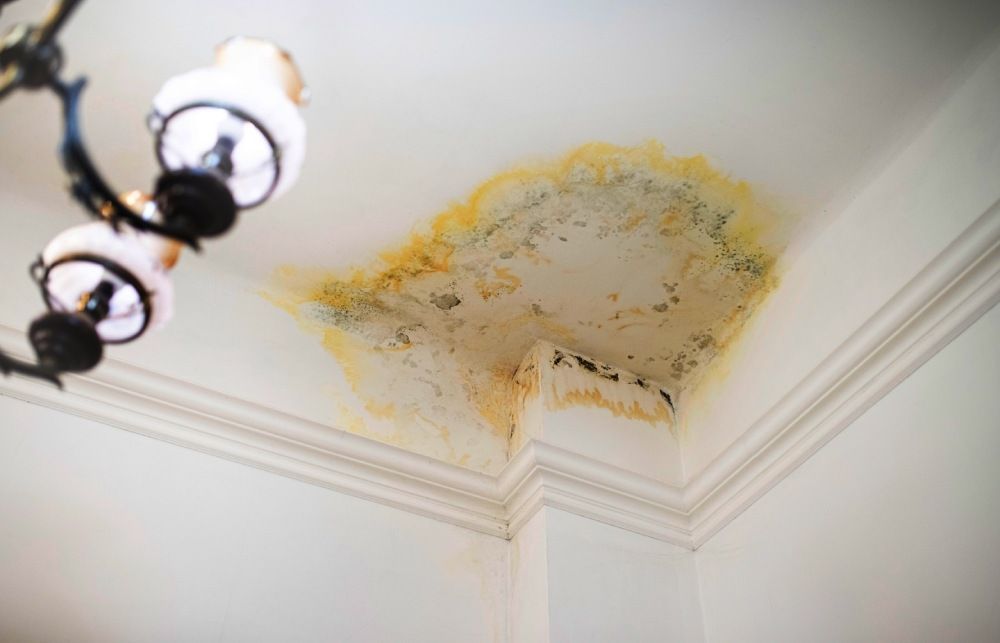
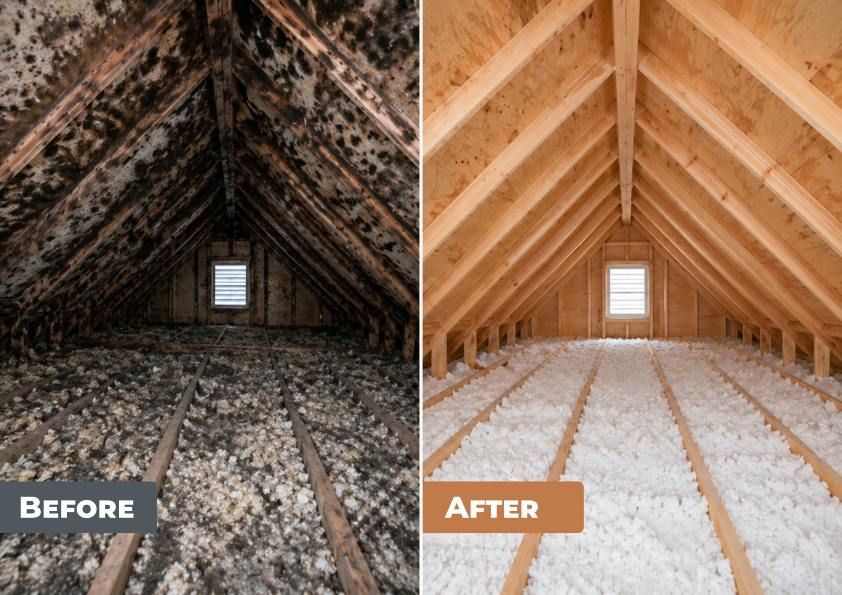
What does mold look like in your attic? Detect the mold in your attic and find a proper solution.
- Dark Green, Gray, or Black Mold
It is also called Stachybotrys Chartarum. It is one of the most dangerous types of mold that grows on water-damaged drywall or wood. It causes severe health issues like breathing problems, allergic reactions, and more.
- Blue, Green, or White Mold
It is often called Penicillium. It usually occurs in water-damaged materials, and if not treated for a long time, it can cause cancer and neurotoxicity in adults and infants.
- Yellow Mold
Yellow molds are also called Aspergillus. They are often slimy and powdery, usually appearing on surfaces when the moisture is high, and produce mycotoxins that can be harmful to property and health.
Reasons for Mold Growth in Attic
There are 5 reasons why mold grows in the attic.
Pipe Leaks: Pipe leaks are hard to detect. If not fixed for a long time, it may result in mold growth.
Roof Leaks: Due to the roof's age, lack of maintenance, bad weather conditions, and other reasons, the roof often starts to leak and damage the attic, rooms, and even the basement.
Air Leaks: If the air contains water vapor, it may get trapped in the attic, resulting in mold growth.
Winter's HVAC System: The HVAC system produces warm air to keep the house warm and comfortable. However, attics are cold places. So, when the warm air and cold air collide, it creates excessive moisture, resulting in mold growth.
Vents: Hot air collects when the vents are blocked, or bad airflows come in the attic, creating condensation and mold.
Signs You Have Mold Growing in The Attic
To detect mold in the attic, you need a strong sense of smell. When mold grows for a long time, it creates a musty smell in the house. You can also notice faint black lines in the ceiling.
Another strong sign of attic mold is respiratory issues. Suppose your family members did not have any breathing problems or did not get sick a lot; however, suddenly you are having breathing issues or other health problems. Then, check whether molds are growing in the attic or not. If yes, taking fast precautions for removing mold from the attic is important.
Simple 5 Steps of How to Get Rid of Mold in Attic
Mold remediation in the attic starts with expert mold inspection. Once you find the issues, you need to do attic mold removal with precision.
Mold Inspection
Check what does the mold looks like in your attic and its type. Detect whether it is black mold, penicillium, or aspergillus. Identify the cause of mold growth in your house, such as pipe leakage, roof leakage, HVAC system issues, and other water damage, because, based on the condition, type, and reasons, the mold cleanup strategy will be made.
Isolate the Affected Area
To prevent the mold spores and moisture from spreading, you need to seal the affected area with plastic sheets and tape, ensuring negative air pressure is established. For example, if your attic is just affected, you need to seal the attic. However, if other areas are also affected, you need to seal those areas as well.
Air Filtration
Now, you need to improve the air quality. Use advanced tools like HEPA filters and air scrubbers to purify the air, remove mold spores, and other harmful particles to maintain air quality.
How to Remove Attic Mold
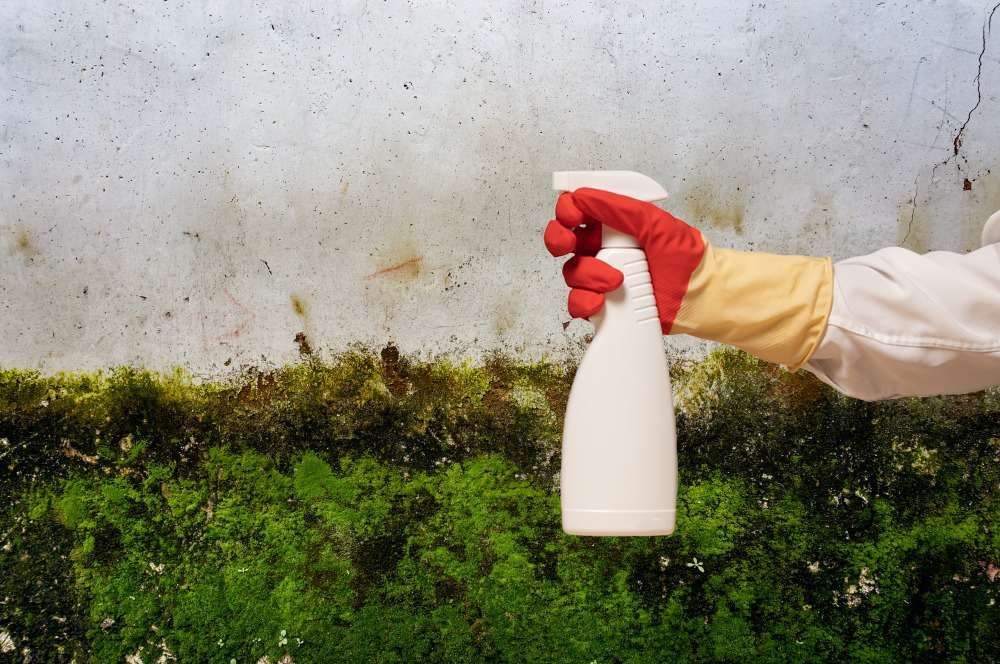
Depending on the mold condition, you need to use advanced tools and a strategy for attic mold remediation. To give you an example, if the mold is in small amounts, you can use a mix of vinegar to fix it.
However, if the mold has spread throughout the attic, you may need to hire professional attic mold removal services to detect the cause, effectively remove the mold, and prevent further damage.
Restoration and Prevention
Just mold removal will not restore your property; you need to get rid of the moisture to ensure the mold does not come back.
The moisture removal process may include sealing the attic so that no warm air can leak into the attic, improving ventilation, repairing leaks, and addressing other issues. You need to ensure the moisture is gone to prevent mold from coming back.
How to Prevent Mold From Returning to the Attic
5 ways you can easily prevent mold growth in the attic and anywhere in the house in the future.
- Check for water leaks and water damage regularly to ensure your property is mold-free, safe, and protected.
- Seal gaps and air leaks. Often, warm indoor air seeps into the cold attic, resulting in moisture buildup and mold growth. Thus, you need to seal the air leaks to ensure that both warm and cold air don't collide.
- Ensure vents are clear and functional to make sure attic airflow is free, and moisture can escape.
- Maintain insulation properly to keep attic temperatures stable and prevent cold spots to ensure seamless airflow and humidity.
- Check roof leaks monthly. Often, heavy rains, storms, and other disasters damage the roof. As a result, water falls in the attic and may grow mold. Thus, don't forget to inspect the roof and attic after any storm and disasters.
Wrapping Up
Was our "How to Get Rid of Mold in Attic" article helpful? Dealing with mold issues can be complex. Suppose you used Vinger to remove the mold; however, not only did it not work, but it also increased the issue. This is why you need to understand the mold type, cause, and other concerns to find the right remedy and restore your property.
If DIY attic mold removal feels tough, contact our reliable Water Extraction Team. With years of experience, we offer 24/7 emergency mold remediation services. The moment you call, our expert team will ready the advanced tools and dispatch to go to your location as fast as possible. We identify the mold type and cause, remove mold and moisture, and restore your property to its original state. That's it for today. Hope to see you in the next article.
Frequently Asked Questions
1. What does mold look like in an attic?
Attic molds look like dark, clustered, or speckled stains, which are harmful to your property and health.
2. Why does mold grow in the attic?
Mold growth mostly happens due to water damage, roof leaks, poor ventilation, or high humidity.
3. Can mold grow on new insulation?
Unfortunately, yes. If you only remove the mold and do not fix the moisture problem before installing the new insulation, the mold will grow again in your home. Thus, focus on fixing the moisture issue first, then install the insulation.
4. Can I clean the mold myself?
You can if the mold damage is not severe. However, if the mold in the attic is spread throughout the area, removing it can be complex and harmful to your health.
5. When should I contact a professional attic mold removal expert?
The moment you notice mold growing in your attic. It means somewhere in your house is water-damaged, which is the cause of mold growth. Contact a professional to identify the source of the problem and find a proper solution.