
Will a Dehumidifier Get Rid of a Musty Smell? Mold & Mildew Fix Explained
Having a foul, earthy smell at home is surely unpleasant. You might have tried all the ‘DIY’ tips to get rid of it, but everything went in vain. Now, you are tired and frustrated.
You see, solving the ‘smelly’ issue requires finding the root cause. And, in this case, the main culprit is mold.
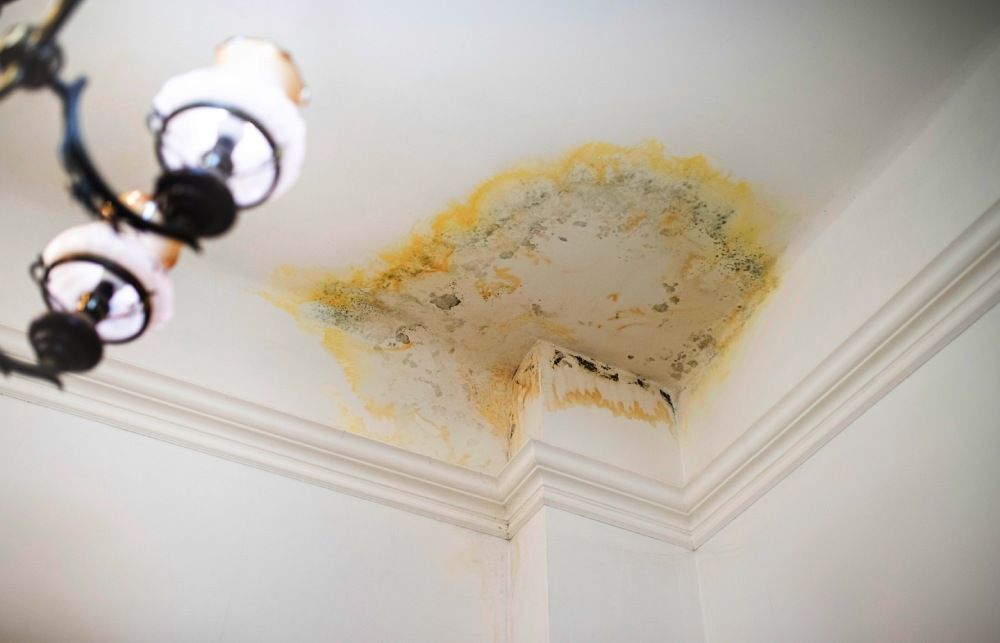
Mold spores travel through the air, spreading that musty smell everywhere. These microbes thrive in damp areas. And what better place to grow than your damp walls, bathroom, kitchen, basement, and any place that has higher levels of moisture and condensation.
The solution is to cut down the moisture in your house. And to do that, you can rely on dehumidifiers. But the question still remains: will a dehumidifier get rid of a musty smell? Let’s explore the answers to that.
Where Does the Musty Smell Come From?
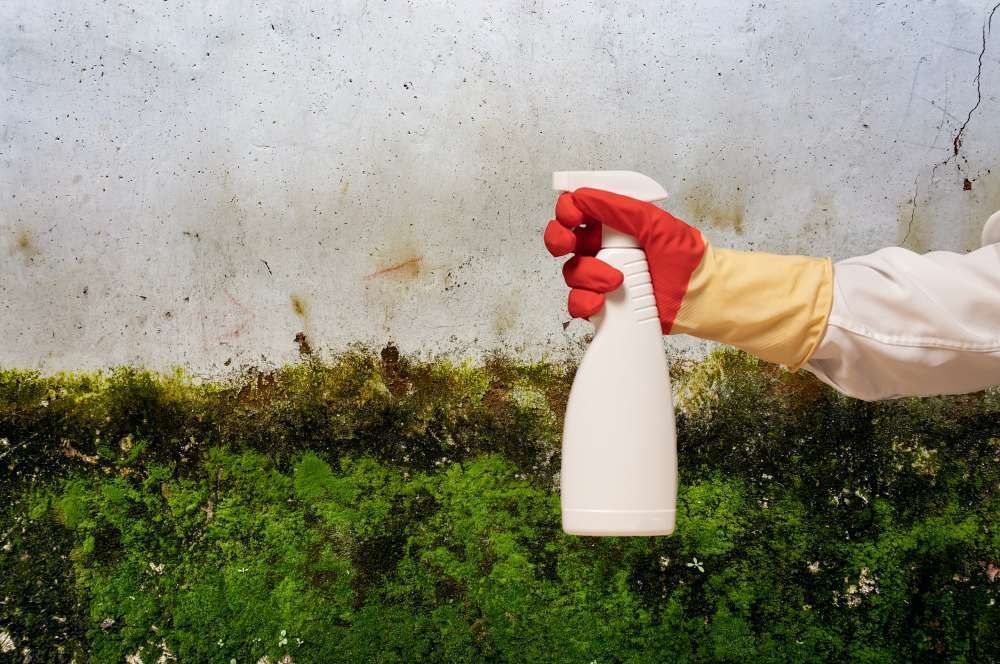
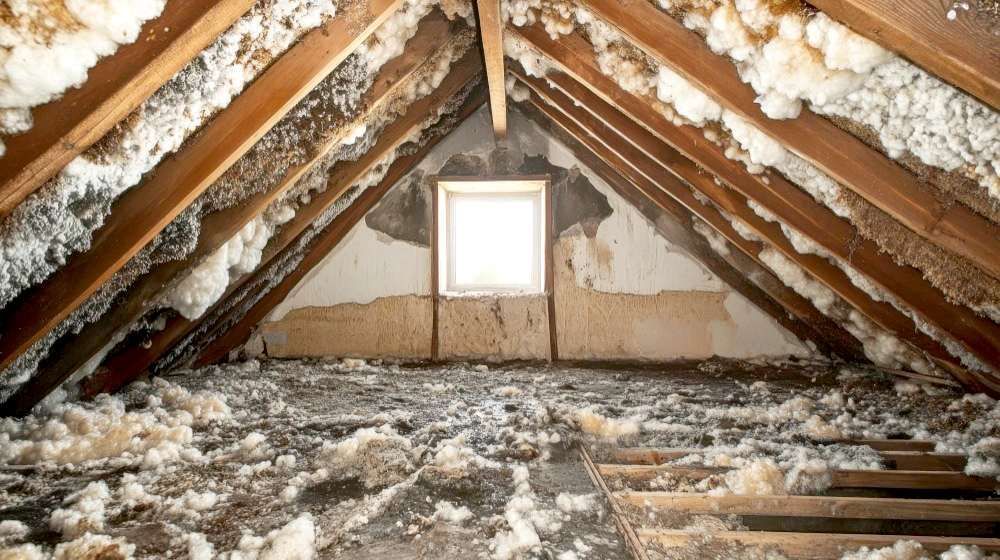
The smell comes from mold and mildew. Common areas with high moisture, such as bathrooms, damp walls, kitchens, AC vents, and basements, are often prime locations for mold growth.
Often, the infestation exceeds the scope of DIY fixes. In those cases, seeking professional help with mold remediation is the right move.
Even though mold and mildew are good for the environment, they aren’t beneficial for your home. Apart from the smell, these also bear several health risks.
5 Common Health Issues Caused by Mold Infestation at Home:
- Allergic Reactions: Mold spores can trigger allergic symptoms such as sneezing, skin rashes, and itching. It can be harmful for allergy-prone people. And it only gets worse over time.
- Disorientations and Headaches: Poor indoor quality affects your consciousness. Long-term exposure can lead to headaches, mental fog, and dizziness. The more you inhale, the worse you get.
- Dry Cough & Tight Chest: Such polluted air can be a red flag for people with asthma or other respiratory conditions. Mold can affect your respiratory system, causing a dry cough and chest tightness.
- Nasal Congestion: Spores are a nightmare for your nose. It can irritate the nasal passages and can cause a stuffy or runny nose. In worst-case scenarios, it can cause sinus infections and seasonal allergies.
- Eye Irritations: Common eye problems are often caused by mold infestation. But sadly, we are not aware of it. These airborne particles can irritate the eyes, cause itching, redness, and watery eyes.
How Does a Dehumidifier Work?
A dehumidifier cools the air to extract moisture. The intake fan draws in humid air and cools it through cooling coils. It condenses the moisture into water droplets and collects them in the water tank. Afterward, the air is slightly heated and exhausted back in the room.
Compressor-based dehumidifiers are common in the market. It works as a refrigerator, cooling the air and removing moisture.
How a Dehumidifier Gets Rid of a Musty Smell
Dehumidifiers work by reducing moisture so mold or mildew can’t grow. Hence, it eliminates the musty smell.
But in reality, portable dehumidifiers have their own limit. For instance, if your AC ducts have mold, you won’t be able to do much about it. Some models feature antibacterial technology that helps reduce odors in your room.
For recent smell issues, which often occur after a rainy season, you may need to keep your dehumidifier on for 24 to 72 hours. If you are facing such issues for months, the machine should operate for at least 3 to 7 days.
Are Dehumidifiers Worth the Money?
Yes, of course. Dehumidifiers reduce indoor moisture, helping prevent the growth of harmful bacteria and mold. It also keeps the air light, providing a fresh and odorless experience.
If you live in older buildings or apartments without direct sunlight, a dehumidifier for musty smell removal can be a good investment.
But will a dehumidifier get rid of a musty smell? Not entirely. Only focusing on air moisture won’t be sufficient to stop mold.
Combining dehumidifiers and expert assistance can ensure good results. Professional mold remediation and removal services can be your permanent solution. And dehumidifiers can help prevent mold from coming back.
Common Issues of Dehumidifiers and How to Troubleshoot Them
Like every other appliance, dehumidifiers face several issues. But the good news is, you can easily troubleshoot them.
- Dehumidifiers Will Not Turn On: Power loss may occur due to a circuit failure, a disconnected power panel switch, or a blown circuit fuse. Find the root cause and follow the steps for troubleshooting
- Water-Collecting Bucket Overflow: Some users often forget to empty the water bins. Hence, it might overflow and damage other components. For that, establish a regular maintenance routine for the dehumidifier.
- Compressor Fan Not Spinning: If the compressor fan doesn’t spin, the component won't cool down, resulting in a malfunction. Reach out to the dealers for a potential warranty claim.
- Not Enough Cooling/Heating: Clogged tubes often restrict coolant flow through the cooling and heating rods. In such cases, the dehumidifier will not collect enough water. If you see such signs, reach out to the dealer for dehumidifier servicing.
Alternative Hacks to Reduce Foul Odors from Your House
If you don’t want your guests to form a bad first impression, eliminate foul odors. For that, controlling the indoor moisture is key. Follow these quick hacks to tackle your indoor smell:
- Indoor Plants: Get some low-maintenance, low-light plants. For instance, Snake Plant, Peace Lily, and Boston Ferns are great choices for odor control.
- Air Fresheners, Essential Oils, & Scented Candles: Organic air fresheners are extremely useful for a quick fix. But if you want long-lasting odor management, you can use scented candles infused with essential oils.
- Regular Upkeep: Cleaning is hands down the best solution for foul smells. Follow a proven routine for regular cleaning and maintenance. You will certainly feel productive, and the end results are fabulous.
- Timely Trash Management: Perhaps the most smelly item at your place is the trash bin. Make a habit of emptying the trash every day. Make sure you use biodegradable bags while throwing out the garbage.
- Good Air Flow: Open your windows and let your home sync with the environment. Studies have confirmed that manual ventilation rapidly reduces foul odors, leaving you with a fresh, peaceful mind.
When to Seek Professional Help
Look for clear signs of mold infestation. These are some of the prominent signs of when to seek professional assistance:
- Visible Mold Growth: Look for large mold and mildew accumulation in areas like the basement, bathroom, kitchen, and other damp areas in your house.
- Persistent Musty Odor: Smelling like something is rotten, causing constant headaches and irritations.
- Significant Water Damage: Unusual cases of mass plumbing leaks, floods, or storms trapping water for more than 2 days.
- Hidden Mold Indicators: Paint bubbling on damp walls, wall wraps coming off, or a strong smell present with no visible mold.
- Unexplained Health issues: Frequent allergic reactions, respiratory problems, or skin irritation while inside the building.
In short, when your mold situation literally gets out of hand, then it is time to seek professional help. But there is a catch. Most services often provide quick solutions, not long-term remedies. So, mold and mildew eventually return.
With our exceptional mold remediation services, you not only get the best service, but also bid a permanent farewell to any future mold recurrences. Get 24/7 emergency services from locally owned & operated Cleaveland, Ohio-based experts.
Final Verdict
Dehumidifiers are excellent solutions for controlling indoor moisture. But it depends on how deep the mold infestation is.
Will a dehumidifier get rid of a musty smell in small houses with minor mold? Undoubtedly, yes. But will it work on larger houses with significant damage? Questionable.
If you are unsure about your situation, get the right advice and assessment from the Water Extraction Team’s expert mold inspection services. Our team will come down to your Cleaveland, Ohio home within an hour and provide you with a free evaluation.
Frequently Asked Questions
1. Is One Dehumidifier Enough or Do You Need More?
Generally yes. If you have a smaller home and a capable-enough dehumidifier, then you are good to go. But if you have multiple rooms and different layouts, then you may require more than one.
2. How Long Does It Take to Remove the Musty Smell?
Depends on the damage intensity. For sudden water damage, 2-3 days of continuous dehumidification will do the trick. But it may take up to 3 weeks to restore your house through professional help.
3. Will a dehumidifier help with the smoke smell?
Yes, it can be somewhat useful in mitigating the smell. But it is not the right tool for the job. Instead, an HEPA-compliant air purifier can do a much better job.
4. Will a dehumidifier kill mold?
It does not directly kill mold. But it does reduce moisture, a key factor in mold growth. So, dehumidifiers eventually restrict the growth.
5. What is the approximate life expectancy of a dehumidifier?
A well-maintained dehumidifier can easily last 8 to 10 years. However, components such as the compressor, filters, and fans may need servicing after a set period.