Water Mitigation and Restoration: Key Differences & Process
Heard of water mitigation and water damage restoration, but don't know which would be suitable for burst pipes, flooded basement, storm damage, flood damage, or other water damage? Or when should you choose water mitigation and restoration to restore your damages? I've got you covered.
In this article, I will clear your confusion and explain everything you need to know about water mitigation vs water restoration, including differences, the repair process, and more. Let's not waste any more time and get to the main point.
What is Water Mitigation
Water damage mitigation is the immediate action within 24-48 hours to prevent further water damage. It is a short-term solution. However, you can use it to stop the water source and reduce further property damage.
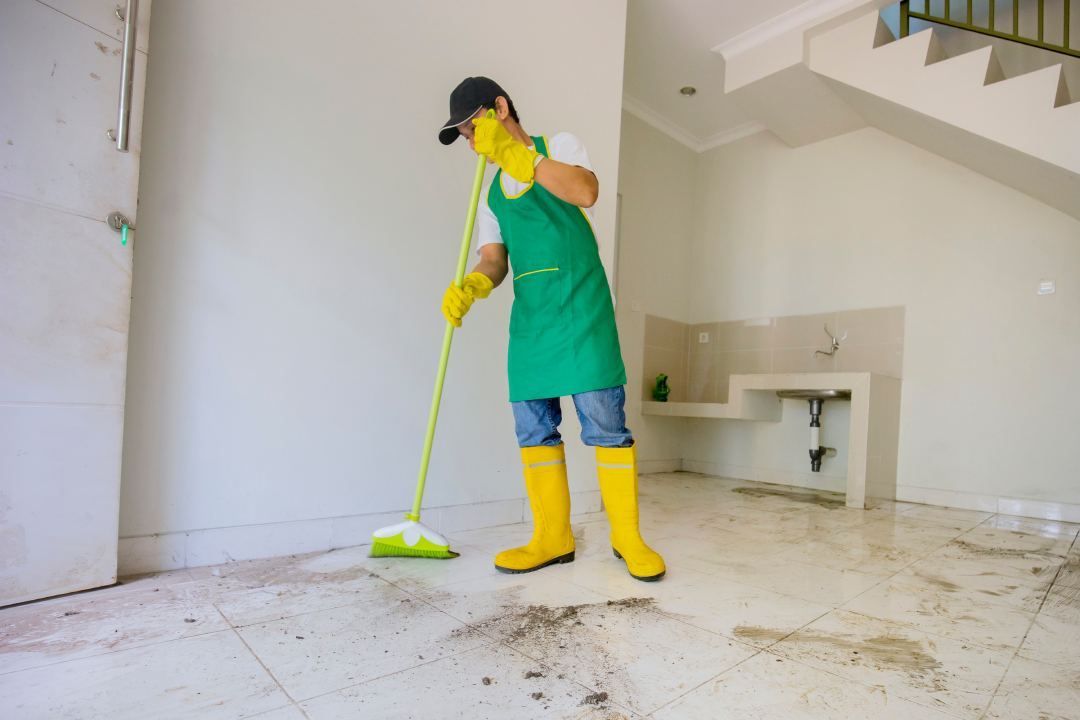
In water mitigation, you need to use advanced tools such as vacuums, air movers, and dehumidifiers to remove standing water and dry the affected area. Ensure your property is safe from further water and mold damage.
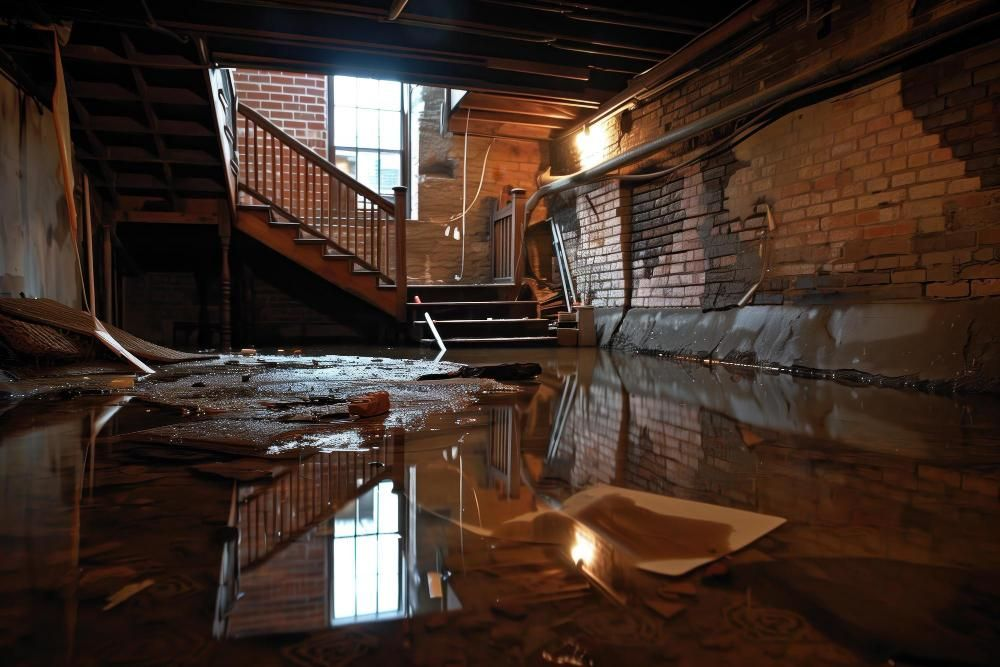
You can do water mitigation for any water damage, especially burst pipes, roof leaks, flooded basements, sewage backup, appliance overflows, storm flooding, and so on. Suppose one day you woke up and found a
flooded basement. The first thing you need to implement is water mitigation. Extract the water and dry the area to prevent further damage.
What is Water Damage Restoration
While best water mitigation prevents further damage, water damage restoration repairs and restores the property to its pre-damaged state. Meaning from finding the water damage source, to fixing it, and restoring it to prevent water damage in the future. It is a long-term solution.
Thus, if you notice the water damage source is hidden, too severe to handle, or water mitigation is not stopping the water damage, you may have to call a professional water damage restoration service to restore your property.
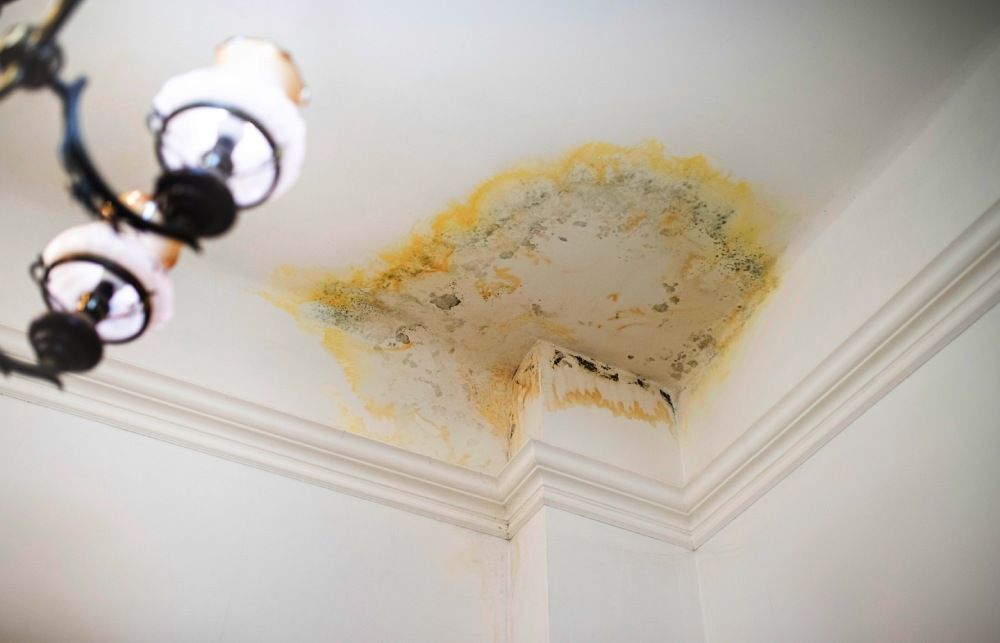
To give you an example, if you notice water dripping, wall cracking, mold growth, a musty smell, and other signs, you may have water damage on the ceiling. Find the cause and fix it immediately, or long-term water damage will harm your property's structure severely.
Water Mitigation and Restoration: The Key Differences
Mitigation vs. restoration of the water damage has 7 differences. Know them to better assess your situation and take proper action to restore your property damages.
| Key Distinctions | Water Mitigation | Water Damage Restoration |
|---|---|---|
| Goal | Stop the damage quickly and prevent further issues. | Repair and rebuild the affected area to its initial condition. |
| Timing | Immediately after the water damage. Approximately, within 24–48 hours. | Water restoration happens after water mitigation, as the property must be stable and dry before the process begins. |
| Focus | Stabilizing the property by stopping the water damage and drying it. | Rebuild the affected areas to their original condition and help prevent future water damage. |
| Actions | Emergency mitigation measures include water extraction, moisture control, and mold prevention using advanced equipment like vacuums and air movers. | Restoration includes inspection, repair, and reconstruction of the property using advanced tools to restore a safe and secure condition. |
| Mold | Does not fully remove moisture; mainly prevents mold growth through drying. | Removes both moisture and mold with expert mold removal and helps prevent it from returning. |
| Duration | A temporary solution that usually lasts around 1–3 days. | A long-term solution that can last for many months or years when done properly. |
| Cost | Usually less expensive. Water extraction, drying, and sanitization typically cost around $1,200–$3,800 depending on severity and location. | More expensive, generally around $1,300–$6,500 depending on severity, company, and flooding conditions. |
How to Do Water Mitigation Like a Pro
If you have the vacuum, air dryer, dehumidifier, and other advanced equipment, you can do the water mitigation by yourself, just following this easy process.
Inspect and Assess
Identify the water damage source and the severity to assess whether water mitigation is necessary or if you need to contact professional water damage restoration experts.
For instance, if the basement is flooded due to a heavy storm, mitigation may not be able to fix it. You need to find the source and restore the damage to ensure the storm can not harm your property again.
Water Extraction, Drying, Dehumidifying
Water mitigation's first step is water extraction. Use pumps and vacuums to remove standing water from the floor and carpet. Now, use industrial fans and dehumidifiers to dry the area and remove moisture from the air. Ensure the area is clean, dry, and not water-damaged anymore.
Clean and Sanitize
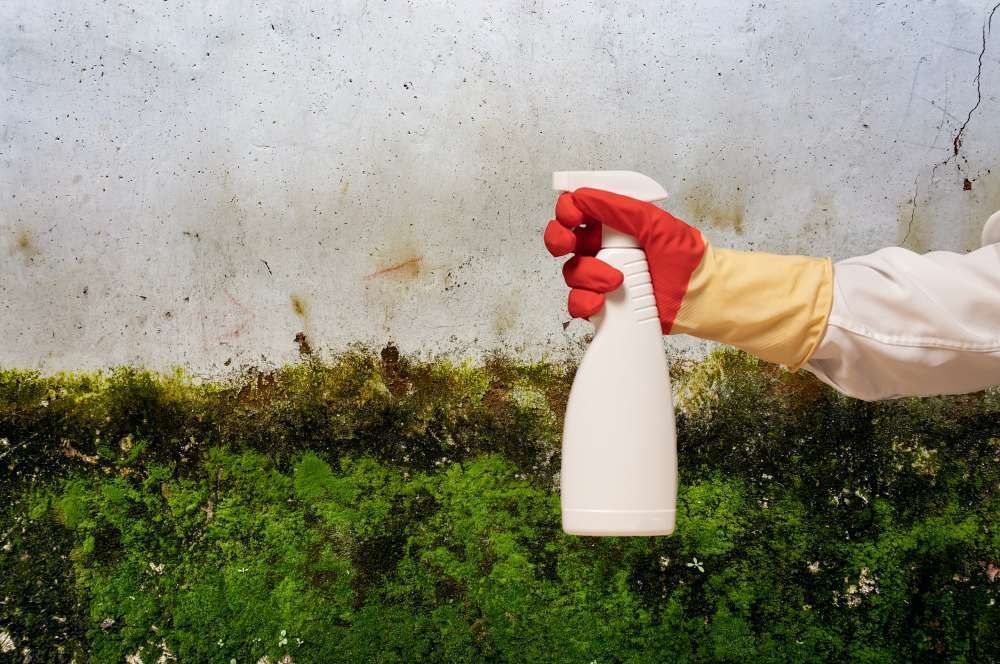
After cleaning the water and drying the area, you need to disinfect the affected areas to prevent mold and bacterial growth. Set up tarps and containment barriers to prevent further damage and stabilize the environment.
How to Do Emergency Water Damage Restoration
Follow these simple processes to restore your property to its original condition.
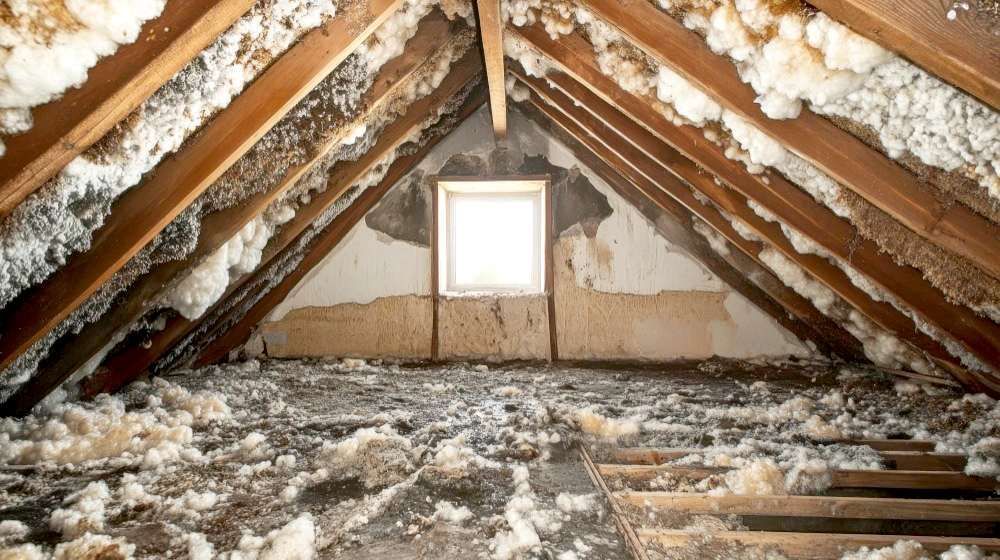
- Remove Materials: Safely remove the damaged drywalls, flooring, and insulation.
- Repair Structures: You need to repair or replace the affected area's walls, ceilings, subfloors, and framing.
- Deep Clean and Odor Removal: Use advanced tools to clean the property and remove contaminants and debris.
- Finish Tasks with Proper Repainting: After you are done restoring and ensuring the safety of the house, it is time to repaint. Give your walls, floors, and ceilings a proper, fresh, beautiful look.
- Final Step: You need to do one final inspection to ensure the water damage restoration went according to plan and your property is clean, dry, safe, and fully restored.
Why Both Water Mitigation and Restoration are Important
While in some cases, water damage mitigation is enough to prevent further water damage. In most cases, both water mitigation and emergency water restoration are necessary to restore your damages.
Water mitigation is the first step to prepare your house for water damage restoration. During water mitigation, you need to expertly extract the water, clean and dry the area to start the restoration process. Then, you remove materials, repair structures, clean deeply, including mold and moisture, ensure your house is restored, and repaint the area to create a fresh new look. See, both are super helpful for long-term home protection, right?
There's more. Water damage repair helps you preserve your structure with early water mitigation, prevent mold growth with expert restoration, ensure faster property recovery with professional mitigation and restoration, and save you lots of money for future damage restoration. Because taking proper steps early ensures months and years of property protection.
When You Should Call a Professional Water Damage Restoration
I would suggest in both cases.
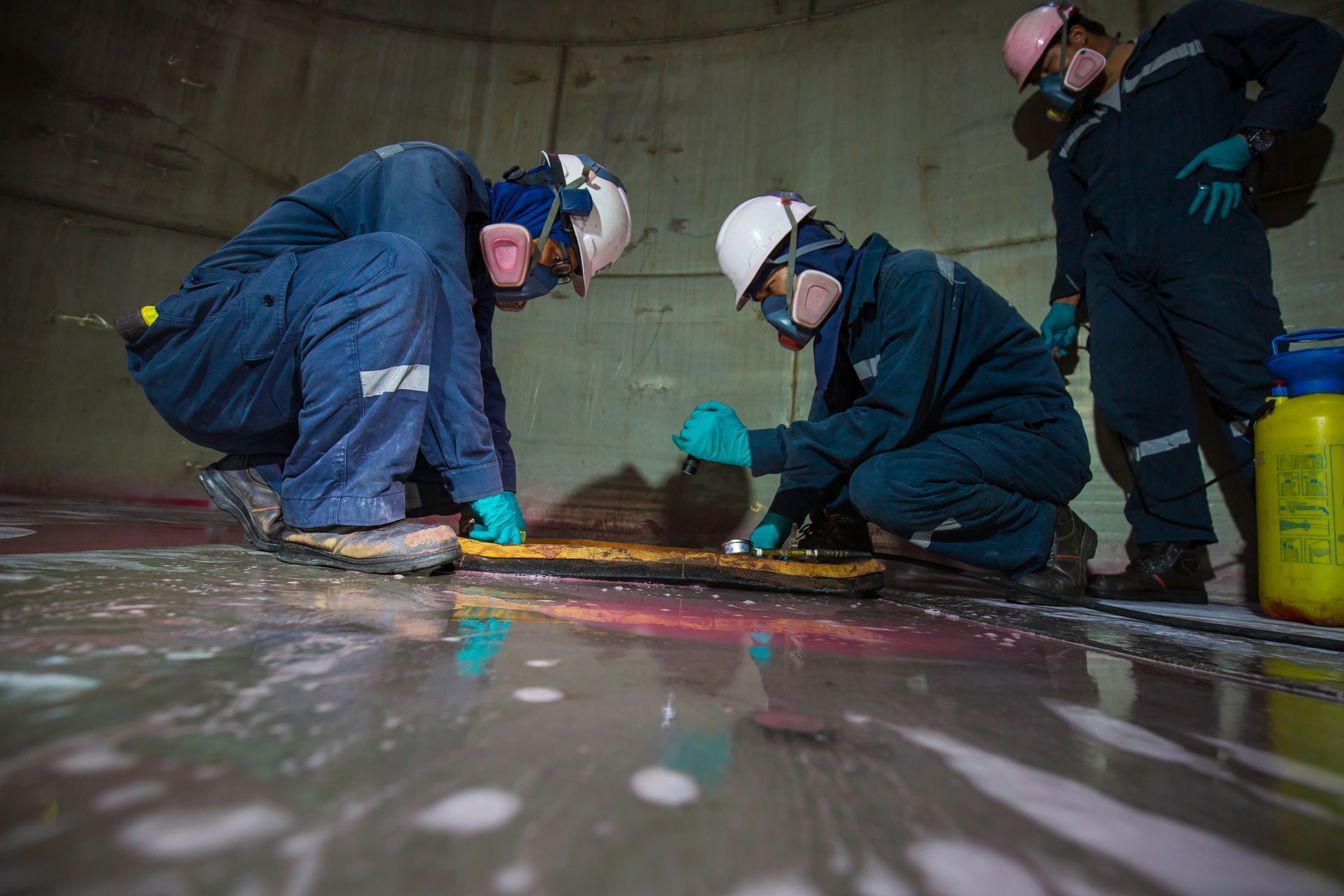
Experienced flood damage restoration experts can inspect and assess the water damage source faster and create an appropriate strategy to mitigate and restore the damage to their initial condition.
Also, if you face these situations in your home, consider calling the best water damage restoration company immediately. Delaying may make things worse. The faster professionals come, the quicker they can assess the situation and restore the damage to give your house a clean, fresh, and healthier look.
- The room smells musty or has visible mold.
- Sudden increase in indoor humidity.
- Stains and discoloration in the water.
- Paint is peeling in the room.
- Cracking walls.
- Damp carpets.
- Water dripped from the wall.
- Standing water in the basement.
- Water bills increased suddenly.
Concluding With
Is water mitigation vs. water restoration clear for you? Though both are different, their working process, effects, and benefits are different; often, people mix up both terms. So, I hope you are clear about the issues you are facing and ask for proper support. Lastly, if you need professional help, call our
Water Extraction Team, and we’ll reach you as fast as possible.
We have years of experience in dealing with water mitigation, water damage restoration, and more damage, ensuring all your concerns are gone, and your house is beautifully restored to its pre-damage state. We are 24/7 available, so call anytime if you need support. Our experts will provide possible solutions to your problem. That’s it for today. Hope to see you in the next article.
Frequently Asked Questions
1. What should I do after I first notice the water damage?
First, try to find the source of the water damage, such as water leaking somewhere. Whether you find it or not, quickly turn off the water source to prevent further damage and call a professional for help.
2. Is it safe to clean a flooded basement alone?
No. When you see that your basement is flooded, never go in it. First, turn off the water source and the electricity power, and call a professional to check what happened.
3. Is water mitigation and water restoration the same?
Both are completely different. While water mitigation helps you prevent further damage for a short time, water restoration provides a long-term solution by restoring the property to its previous condition.
4. Can I skip water mitigation and straight perform water restoration?
No. Both are interconnected. Only after extracting water and drying the area through mitigation can you start the water damage restoration process.
5. How long does water mitigation take?
It takes around a few hours to three days, depending on the damage.
6. Why is water mitigation important?
It temporarily protects your property by preventing further water damage and mold growth till you restore your property.
7. How long does water damage restoration take?
It takes around a few days to a few weeks, depending on the severity of the damage.